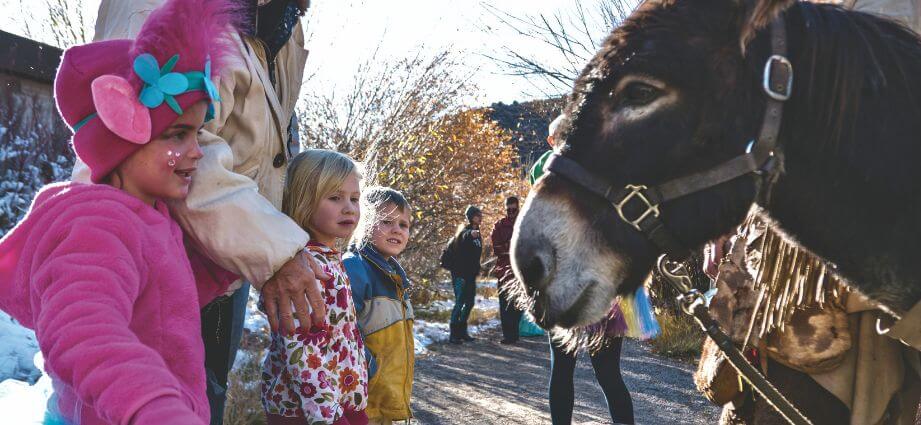

We are forty-two days into the Colorado winter, and the landscape doesn’t match our memory of late January or early February. Grasses and muddy earth remain exposed. Without snow, the valley holds a different kind of quiet. The stillness we associate with winter is missing, and the cold feels less contained, stretching farther than it should.
Whether you are a seasonal visitor, a born-and-raised Coloradan, or somewhere in between, this winter’s lack of snow does more than feel unusual; it encourages us to reflect on what Colorado’s seasons have been, and what they may be becoming.
We understand environmental change in many ways. Science helps us measure what is happening, but memory and lived experience help us feel it. Our sense of place, shaped by years of watching snowpack build and melt, is also a form of knowledge. Multiple ways of knowing work together to help us understand change.
During Black History Month, it is important to recognize Black scientists, writers, and community leaders who have long worked at the intersection of environmental and social well-being. Their contributions remind us that environmental understanding is not only about data, but also about care, experience, and community.
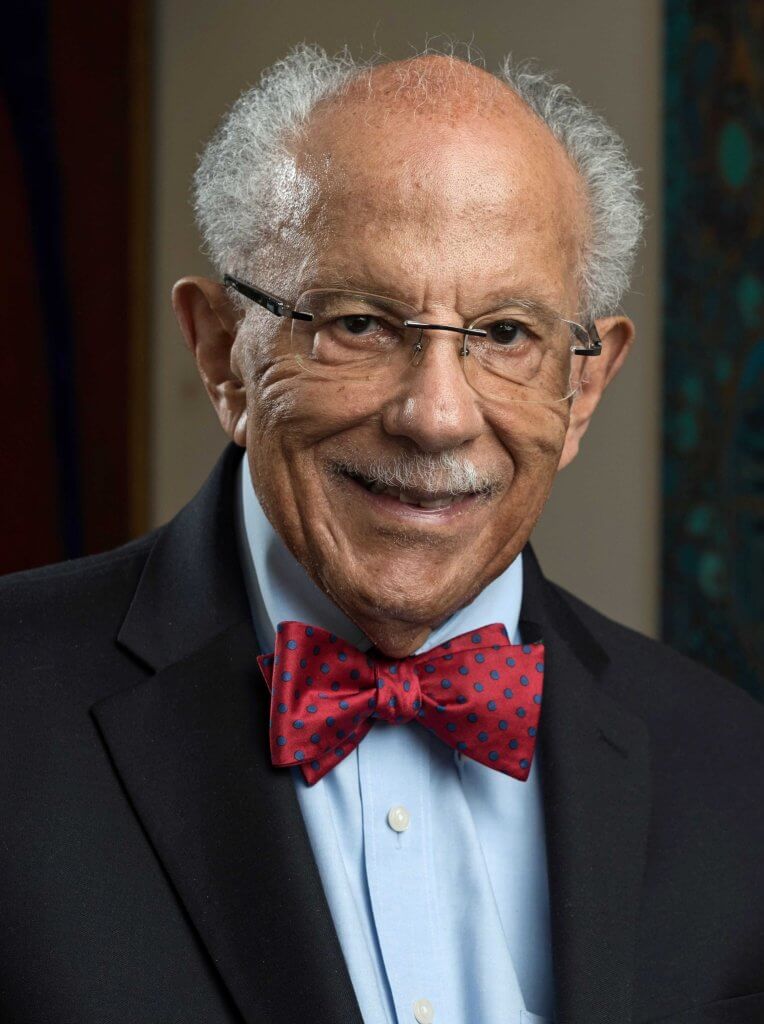
Dr. Warren Washington, climate scientist and meteorologist, helped develop early climate models that anticipated how climate change would affect regional weather patterns.
One of those scientists is Dr. Warren Washington, a Black meteorologist whose work helped shape modern climate science. In the late 1960s and 1970s, Washington played a key role in developing early global climate models. His research showed that increasing greenhouse gas emissions would warm the planet and affect regional weather patterns. By 1990, his work informed the first Intergovernmental Panel on Climate Change report, which warned that mountain regions would experience warmer temperatures and less reliable snowfall, conditions that now feel familiar across Colorado.
Writer and poet Camille T. Dungy offers another way to think about environmental change, rooted in daily life. In her book Soil, Dungy reflects on planting a garden of native plants at her home in Fort Collins while navigating questions of belonging in her neighborhood. Her garden becomes a place of connection, to her family, her neighbors, and the natural world just outside her door. Through this care, Dungy shows that environmental stewardship often begins close to home, through attention and relationship.
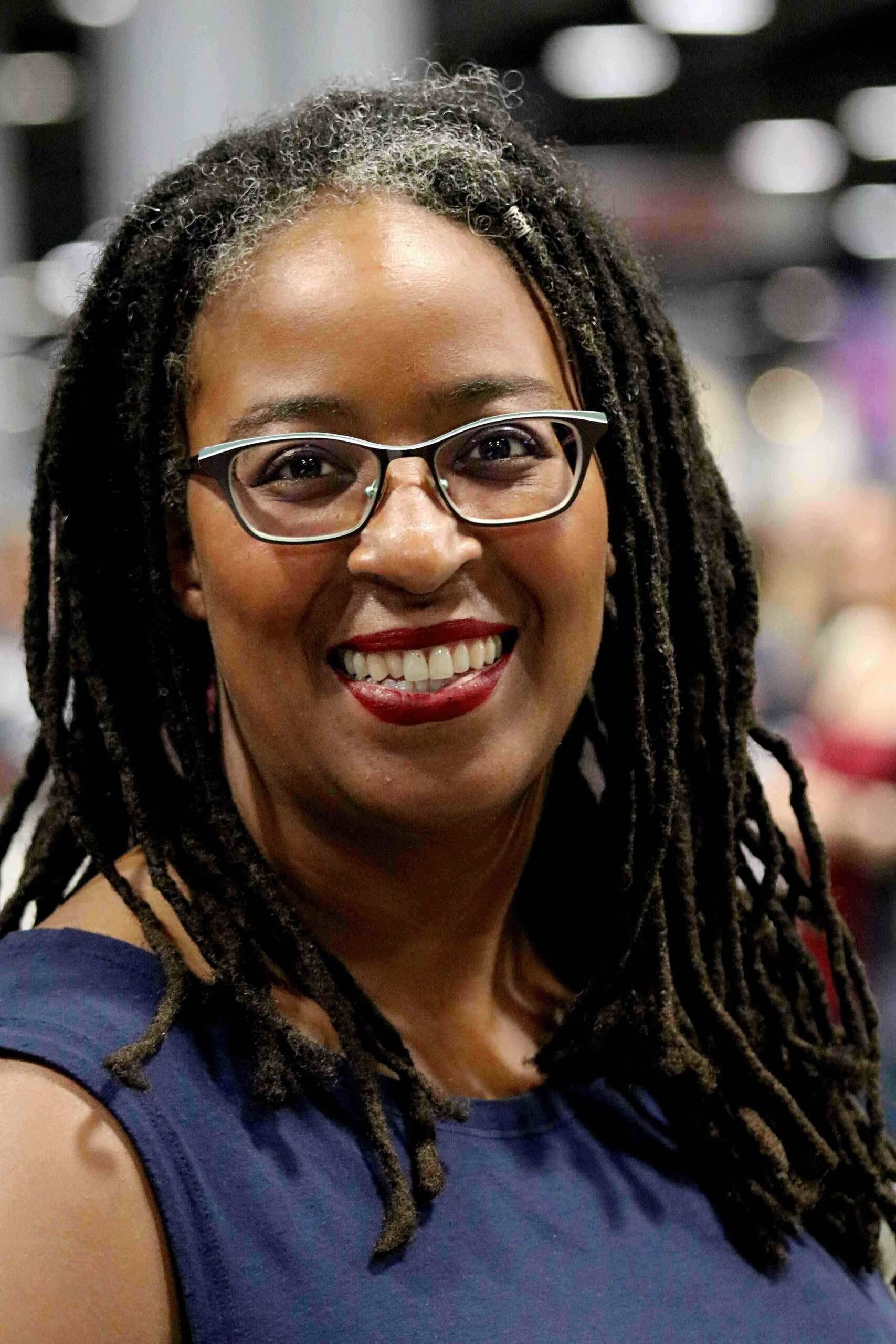
Camille T. Dungy, writer and poet, explores land, care, and belonging through everyday acts of stewardship, including cultivating a native plant garden in Fort Collins.
Together, Washington’s scientific work and Dungy’s lived experience remind us that understanding environmental change requires both preparation and presence. We need science to anticipate what lies ahead, and we need care and connection to remain grounded in the places we live.
Long before environmental issues entered the mainstream, Black communities were organizing around everyday concerns like clean air, safe water, healthy housing, and access to green space. This work became known as the Environmental Justice movement and helped shape today’s environmental efforts. At its core is the idea that environmental health and community wellbeing are deeply connected.
Today, as climate change becomes part of our shared experience, felt in our winters, watersheds, and landscapes, we are beginning to recognize lessons that have been present for generations. Even in places known for beauty and outdoor access, like the Eagle Valley, we are not immune to these changes. Remembering the roots of environmental action invites us to think about care for the environment as something grounded in community, responsibility, and shared wellbeing. It asks us to consider whose voices are heard, whose knowledge is valued, and how care for the land is inseparable from care for one another.
As we navigate this winter and reflect on winters past, we can take time to talk with our neighbors, share observations, and find small ways to care for the places we all call home.
Sara Lynch is a Foley Graduate Fellow at Walking Mountains. When she’s not exploring local ecosystems, she can often be found reading, cooking, or finding other small ways to feel connected to place.